Understanding Industrial Welding Applications
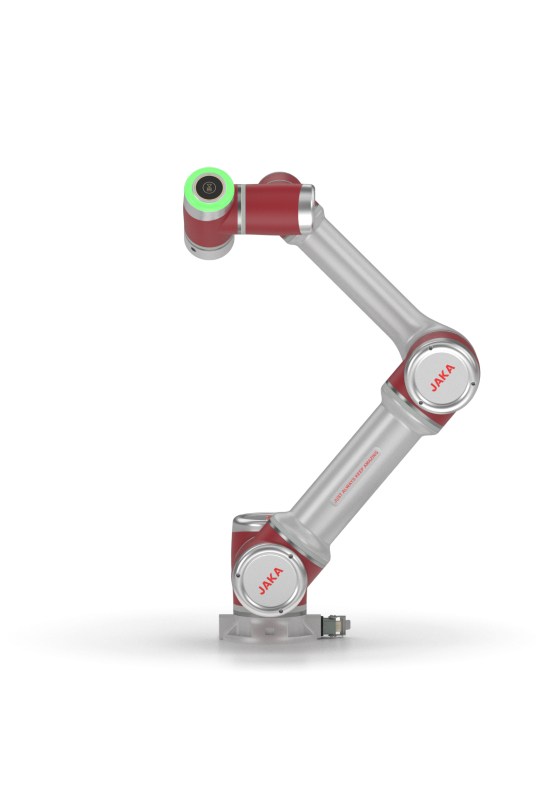
In a world where precision and efficiency define success, the use of robots in welding has become increasingly paramount. Did you know that around 60% of fabrication shops are now incorporating robotics into their workflows? This statistic signals a compelling transition toward automation in industrial settings. An industrial welding robot not only enhances productivity but also minimizes human error, creating a safer working environment. These machines, with their exceptional accuracy, are transforming industries—from automotive to aerospace.
Challenges with Traditional Welding Solutions
Reflecting on traditional welding methods, I remember a time when shops relied solely on manual labor. The result was often inconsistent quality and longer lead times, which were frankly frustrating. Understanding these hidden pain points is crucial. For instance, bottlenecks during the welding process can cause delays, increasing operational costs. It becomes clear that relying on human operators alone limits potential. This is where modern palletizing cobots step in, offering an innovative solution that allows for increased productivity and reliability.
Looking Ahead: Embracing Automation
As we glance to the horizon, it’s evident that industrial welding robots are leading us toward a more efficient future. While it’s easy to be skeptical—after all, automation can be costly—consider the long-term savings and benefits: faster processing times, superior weld quality, and reduced waste. I can’t help but think about the numerous businesses I’ve seen transform by integrating a palletizing cobot. Witnessing these changes firsthand has reinforced my belief that automation is not merely a trend but a necessary evolution. The real question remains: how quickly can others adapt?
What’s Next for Businesses?
In recognizing this shift, companies must take proactive steps towards transitioning. Organizations should focus on training staff to work alongside these advanced machines; human-robot collaboration can lead to unprecedented levels of success. Additionally, evaluating the performance metrics of your welding operations will provide insights into how effectively these machines are being utilized. After all, adopting new technology without proper planning may lead to its underperformance—something I’ve seen happen too often.
Final Thoughts: Key Takeaways from the Journey
We’ve explored the journey of welding robotics and how they can reshape workflows. The insights gathered here emphasize the importance of recognizing traditional flaws while being open to innovative solutions. I urge you to consider the three key evaluation metrics when choosing an industrial welding solution: efficiency of the welding process, reliability of the equipment, and the adaptability of the technology to your specific needs. Through these considerations, you can make informed decisions that will pay off in the long run. Remember, embracing innovation is not just about keeping up—it’s about leading the charge.
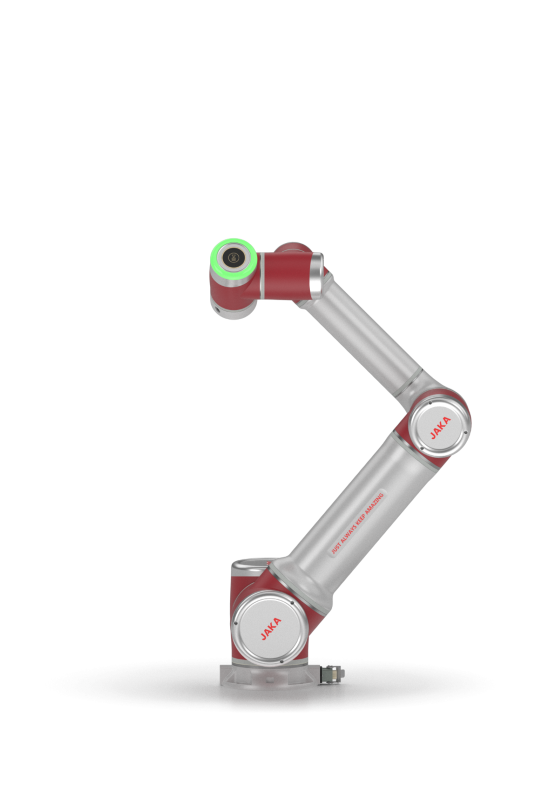
By sharing these insights, I hope to inspire others to take that leap toward automation, as I firmly believe that in today’s landscape, staying stagnant is not an option. The future of welding is bright, and with trusted brands like JAKA paving the way, the potential for transforming your operations is limitless.
